PERSONAL STYLIST TIPS: THE PSYCHOLOGY OF COLOUR - WHAT YOUR OUTFIT COLOURS SAY ABOUT YOU
Have you ever walked into a room and instantly felt more confident, calm, or commanding—just because of what you were wearing? That’s the power of colour psychology. The hues you choose don’t just reflect your mood—they shape it, and they send subtle signals to the world about who you are, how you feel, and even how you want to be perceived.
This month, we’re diving into the fascinating psychology behind colour—what your outfit says about you, how others interpret it, and, most importantly, how to harness colour to boost your confidence, elevate your mood, and align with your personal and professional goals.
Let’s explore how you can dress with intention and let your colours do the talking.
What Your Outfit Colours Reveal About You
Colour is a non-verbal language, and every shade you wear communicates something—whether you realise it or not. Here’s what some of the most common colours in your wardrobe might be saying about you:
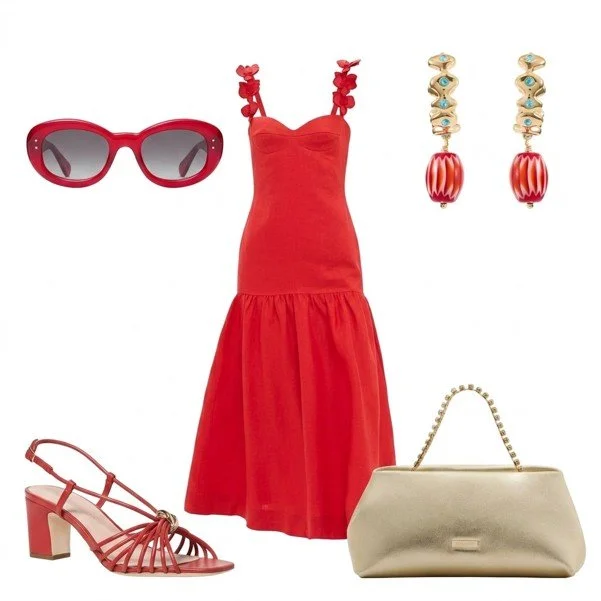
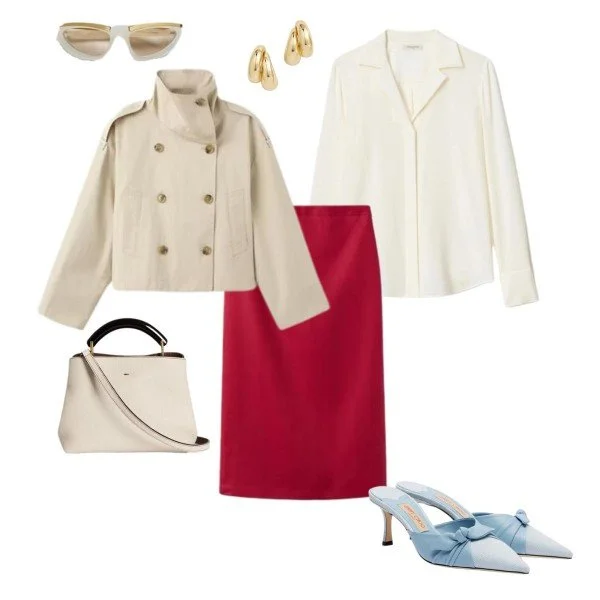
1. Red: The Colour of Confidence and Passion
If red is a staple in your wardrobe, you’re likely bold, ambitious, and unafraid to stand out. Red is the colour of energy, power, and action. It’s the shade of leaders, go-getters, and those who aren’t afraid to take charge. Wearing red can boost your confidence and even increase your perceived authority in professional settings. However, it can also come across as intense or dominant, so use it strategically—perhaps for a big presentation or a day when you need an extra dose of courage.
How to Wear It:
For Work: A red blazer or tailored trousers paired with neutral tones (like black or white) keeps the look professional yet powerful.
For Social Events: A red dress or bold lip signals confidence and charisma.
2. Blue: The Colour of Trust and Calm
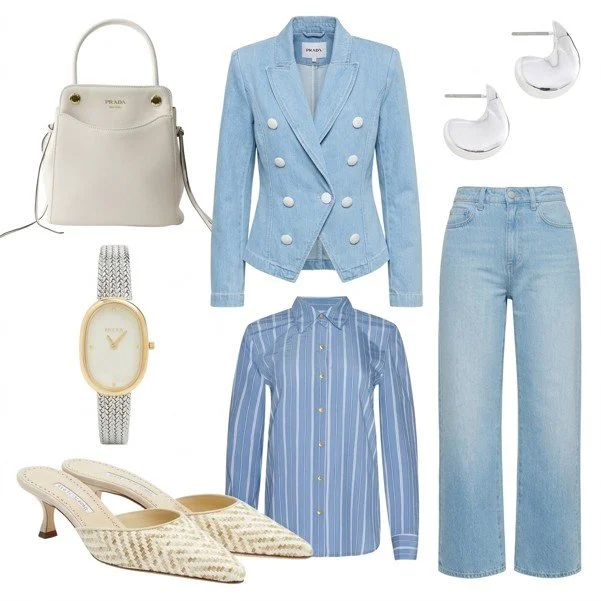
Blue is the colour of trustworthiness, stability, and calm. If your wardrobe is filled with blues, you’re likely analytical, reliable, and approachable. Blue is often associated with intelligence and professionalism, making it a favourite in corporate settings. Lighter blues (like powder blue or sky blue) can feel soothing and open, while deeper blues (like navy) convey authority and dependability.
How to Wear It:
For Work: A navy suit or blouse exudes professionalism and trust.
For Relaxation: Powder blue or soft pastel tones create a serene, approachable vibe.
3. Green: The Colour of Balance and Growth
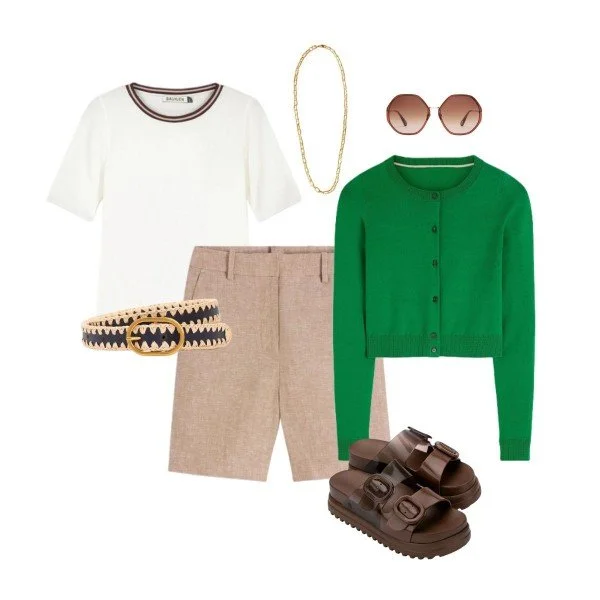
Green is the colour of harmony, balance, and renewal. If you gravitate toward green, you’re likely nurturing, compassionate, and in tune with nature. Green can also symbolise ambition and prosperity (think of the phrase “green with envy” or the association with wealth). Darker greens (like emerald or forest) feel sophisticated and grounded, while lighter greens (like mint or sage) evoke freshness and tranquillity.
How to Wear It:
For Work: An emerald green blouse or dress paired with neutral bottoms feels polished and balanced.
For Casual Outings: Here is where you can try a brighter orange with more neutral tones, perhaps a blazer, shoes or a cardigan.
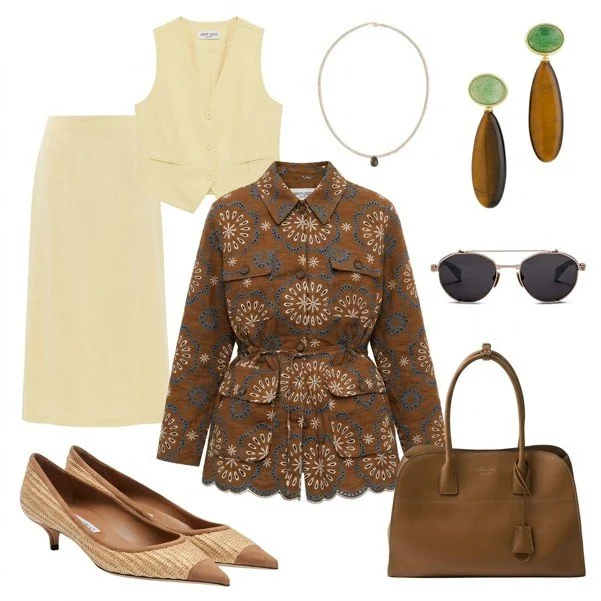
4. Yellow: The Colour of Optimism and Joy
Yellow is the colour of happiness, creativity, and warmth. If you love wearing yellow, you’re likely optimistic, energetic, and outgoing. Yellow can lift your mood and the moods of those around you, but it can also feel overwhelming in large doses. Soft, buttery yellows feel warm and inviting, while brighter shades (like lemon or mustard) are bold and attention-grabbing.
How to Wear It:
For Work: A butter yellow suit, blouse or accessories (like a bag or scarf) adds a cheerful pop without being too loud.
For Social Events: A bright yellow dress or skirt radiates joy and confidence.
5. Pink: The Colour of Compassion and Playfulness
Pink is often associated with femininity, kindness, and playfulness, but it’s also a colour of strength and compassion. If pink is your go-to, you’re likely warm, empathetic, and in touch with your emotional side. Soft pinks (like blush or ballet slipper) feel gentle and romantic, while bolder pinks (like fuchsia or magenta) convey confidence and boldness.
How to Wear It:
For Work: A pink blazer or pencil skirt paired with neutrals feels professional yet approachable.
For Casual Outings: A fuchsia dress or top adds a playful, confident touch.
6. Black: The Colour of Sophistication and Mystery
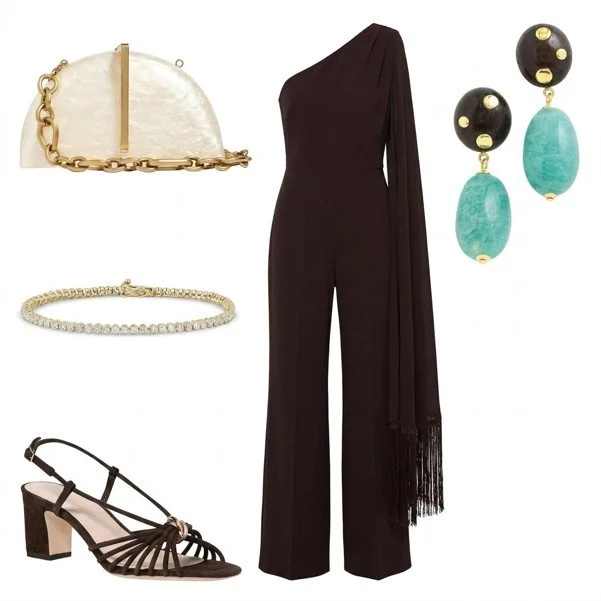
Black is the ultimate chameleon colour—it can feel sophisticated, mysterious, or even rebellious, depending on how it’s styled. If black dominates your wardrobe, you’re likely elegant, independent, and in control. Black is often associated with power and authority, but it can also feel heavy or sombre if overused. Balance it with lighter shades or textures to keep your look dynamic.
How to Wear It:
For Work: A black blazer or dress is a timeless, powerful choice.
For Evening: Black with metallic or jewel-toned accessories feels glamorous and mysterious.
7. White: The Colour of Purity and Clarity
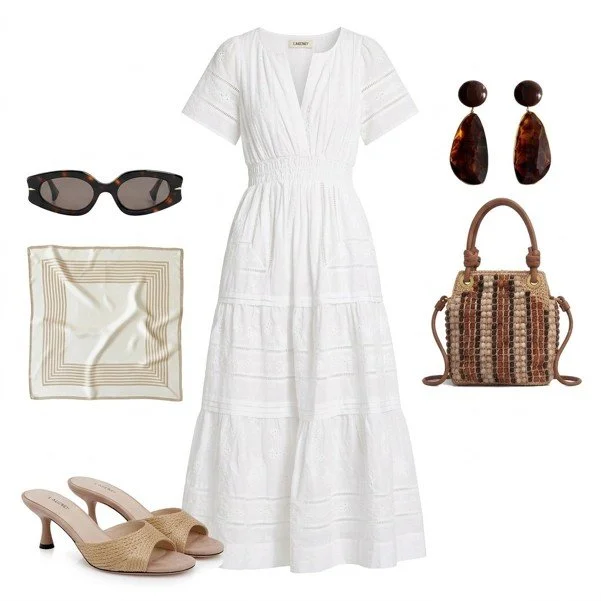
White symbolises purity, simplicity, and clarity. If you love wearing white, you’re likely organised, detail-oriented, and value cleanliness and order. White can feel fresh and crisp, but it can also be intimidating to wear (hello, coffee spills!). It’s perfect for summer wardrobes and can be dressed up or down with ease.
How to Wear It:
For Work: A white blouse or trousers feels crisp and professional.
For Casual Outings: A white sundress or linen shirt is effortlessly chic.
How to Use Colour to Boost Your Confidence
Now that you know what your colours might be saying about you, let’s talk about how to use them intentionally to boost your confidence, elevate your mood, and align with your goals. Here’s how to harness the power of colour psychology in your everyday life:
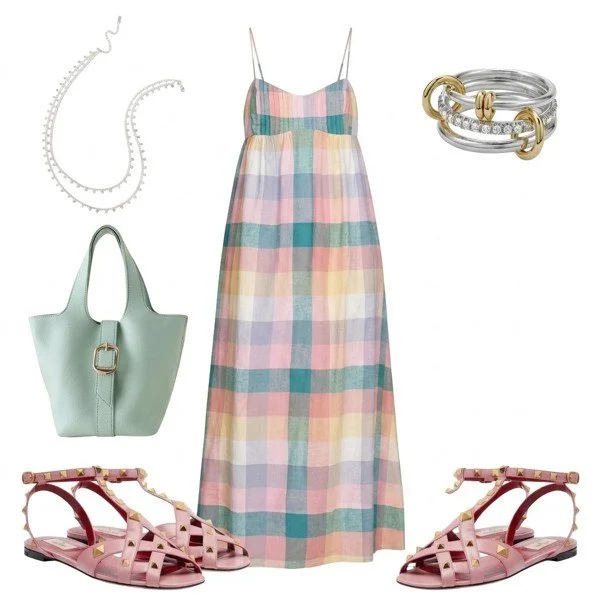
1. Dress for the Mood You Want to Feel
Colour has a direct impact on your emotions. If you’re feeling sluggish or unmotivated, wearing bright, energising colours (like red, orange, or yellow) can give you a mental boost. On the other hand, if you’re feeling stressed or overwhelmed, softer, calming colours (like blue, green, or lavender) can help you feel more grounded and at ease.
Try This:
Need Confidence? Wear red or deep purple to feel powerful and in control.
Need Calm? Opt for light blue or sage green to feel more relaxed.
Need Joy? Choose yellow or pink to lift your spirits.
2. Use Colour to Align with Your Goals
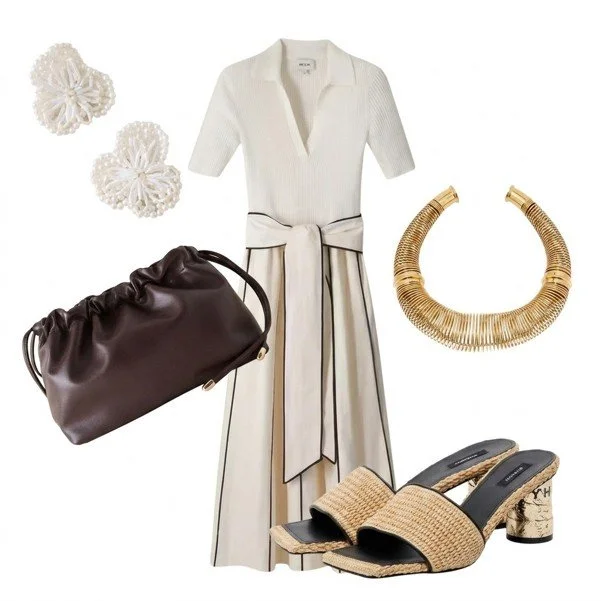
Think about the message you want to send in different areas of your life. For example:
At Work: If you want to project authority, incorporate navy, burgundy, or charcoal into your wardrobe. If you want to feel more creative, try teal, mustard, or coral.
On a Date: If you want to feel romantic, wear soft pinks, deep reds, or rich purples. If you want to feel playful, opt for bright pinks or oranges.
For Relaxation: If you’re heading to a spa day or yoga class, wear soft blues, greens, or whites to enhance the calming vibe.
3. Balance Your Colours for Harmony
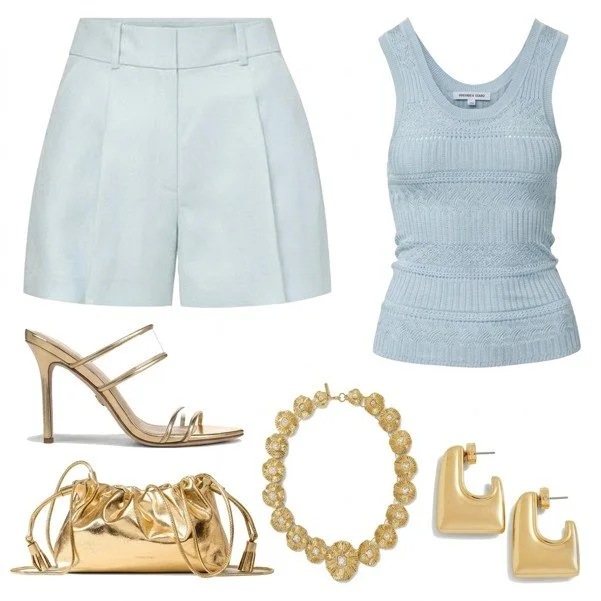
While it’s fun to experiment with bold colours, balance is key. If you’re wearing a bright or intense shade, pair it with neutrals (like black, white, or beige) to keep the look harmonious and polished. Similarly, if you’re wearing multiple colours, stick to a cohesive palette (e.g., warm tones together or cool tones together) to avoid clashing.
Try This:
Monochromatic Looks: Stick to one colour family (e.g., all blues or all pinks) for a sleek, elongated silhouette.
Complementary Colours: Pair opposite colours on the colour wheel (e.g., blue and orange, or purple and yellow) for a bold, high-impact look.
Analogous Colours: Use colours next to each other on the colour wheel (e.g., blue, teal, and green) for a cohesive, calming effect.
4. Use Colour to Enhance Your Natural Features
Certain colours can enhance your natural beauty by complementing your skin tone, hair colour, and eye colour. This is where colour analysis (like the 4 Seasons method) comes in handy. For example:
Warm Undertones: If you have golden or peachy undertones, warm colours (like coral, mustard, or olive green) will make your skin glow.
Cool Undertones: If you have pink or blue undertones, cool colours (like emerald green, royal blue, or fuchsia) will complement you best.
Neutral Undertones: If you’re a mix of warm and cool, you can pull off a wide range of colours - lucky you!
Pro Tip: Not sure which colours suit you best? Hold a fabric swatch or piece of clothing near your face in natural light. If it makes your skin glow and your eyes sparkle, it’s a winner!
5. Experiment with Colour to Step Out of Your Comfort Zone
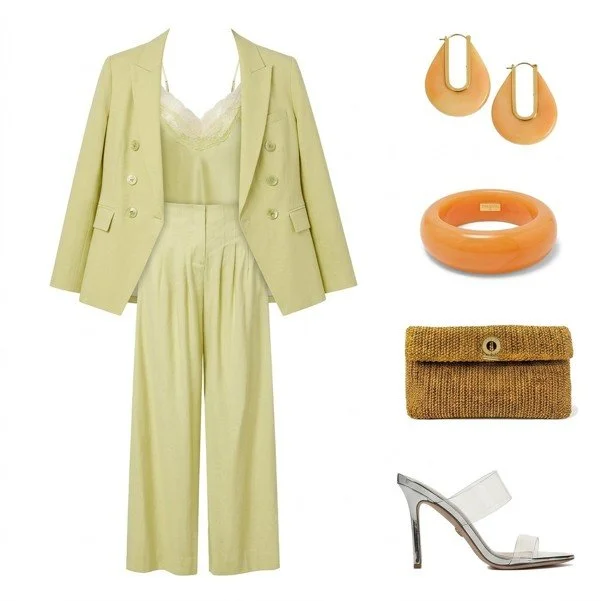
If you tend to stick to neutrals or safe shades, challenge yourself to incorporate more colour into your wardrobe. Start small with accessories (like a bold scarf or statement bag) or a single coloured piece (like a blouse or skirt). Over time, you’ll start to feel more comfortable and confident wearing bolder hues.
Try This:
Start with Accessories: A colourful belt, shoes, or jewellery can add a pop of personality to a neutral outfit.
Try a Coloured Blazer: A bright or pastel blazer can instantly elevate a simple jeans-and-tee combo.
Wear a Monochromatic Look: Stick to one colour in different shades (e.g., light blue, medium blue, and navy) for a sophisticated, cohesive look.
Let Your Colours Speak for You
Colour is one of the most powerful tools in your wardrobe. It can boost your confidence, influence your mood, and shape how others perceive you. By understanding the psychology behind colour and using it intentionally, you can dress with purpose and let your outfits reflect the best version of yourself.
So next time you’re standing in front of your closet, ask yourself: What do I want to say today? Then, choose your colours accordingly.
Your Next Steps
Not sure which colours suit you best? Book a Colour Analysis session and discover your personal palette.
Experiment with Colour: Try incorporating one new colour into your wardrobe this week and notice how it makes you feel.
Dress for Your Goals: Use colour to align with your intentions—whether that’s feeling more confident at work or more relaxed on the weekend.